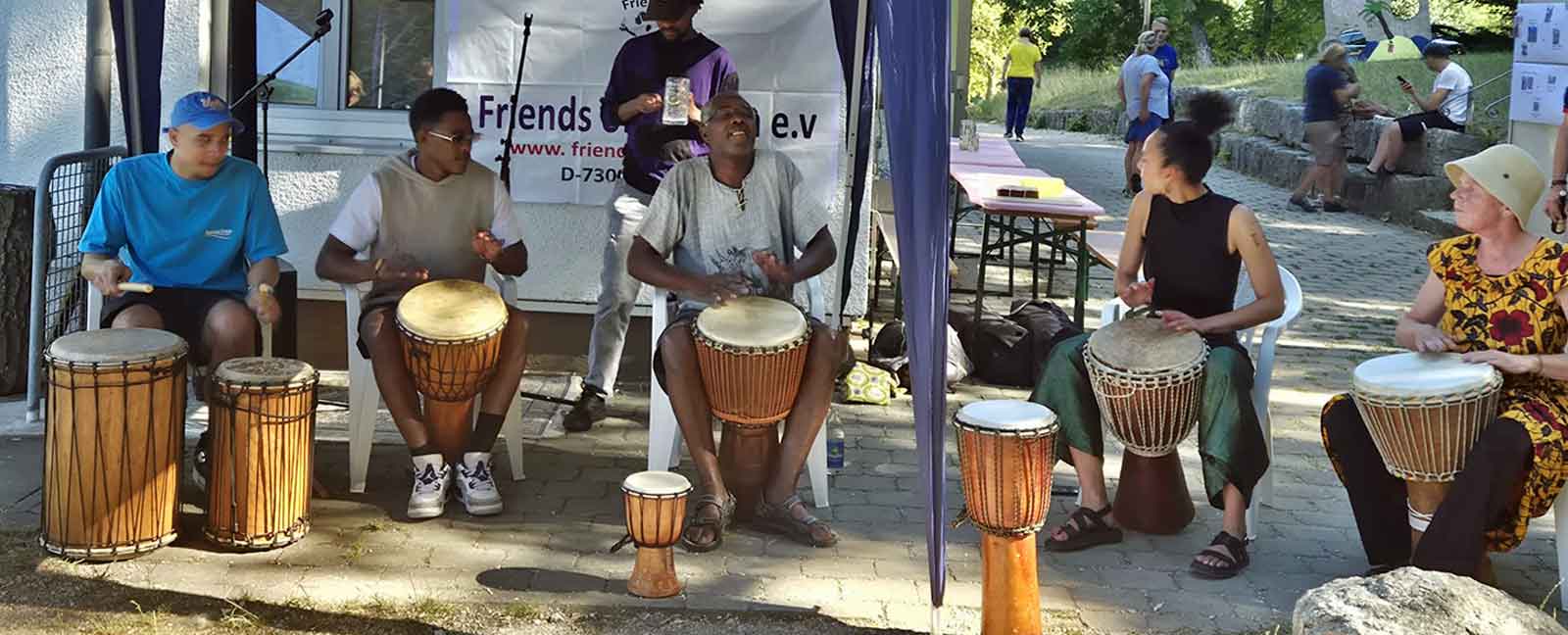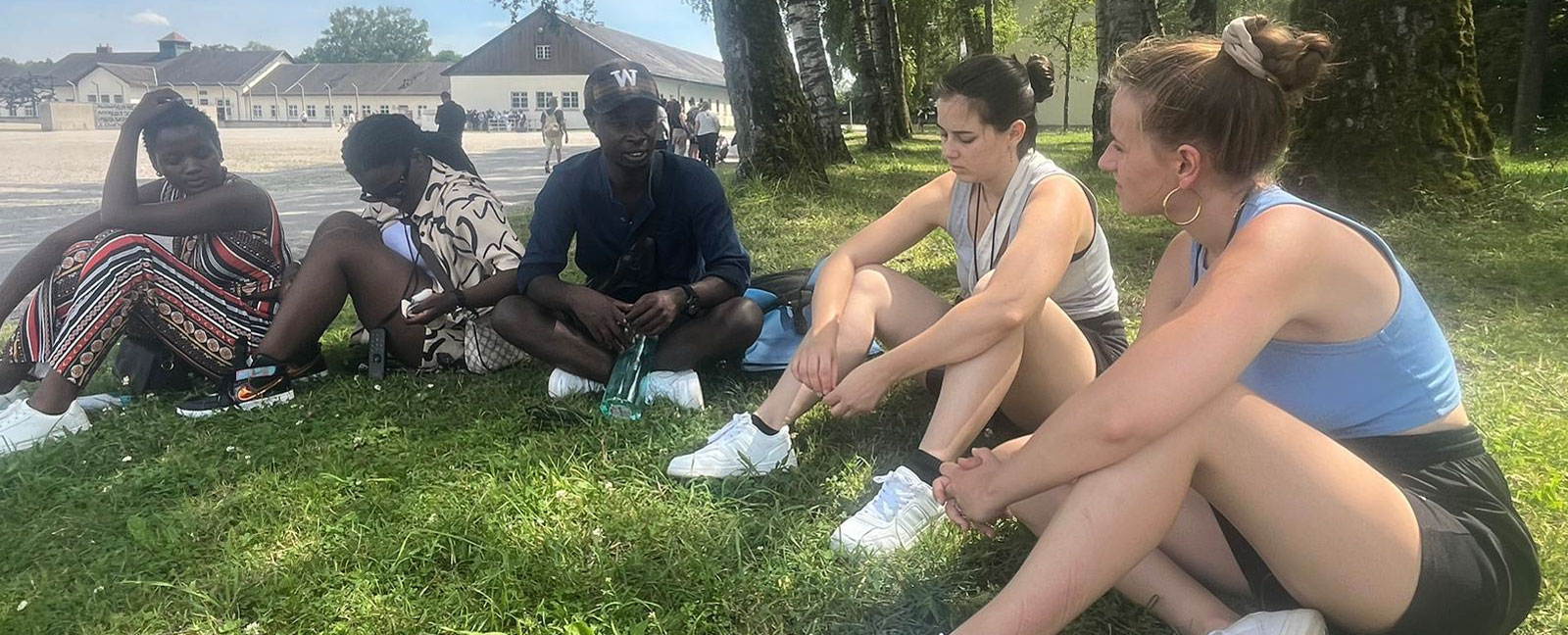
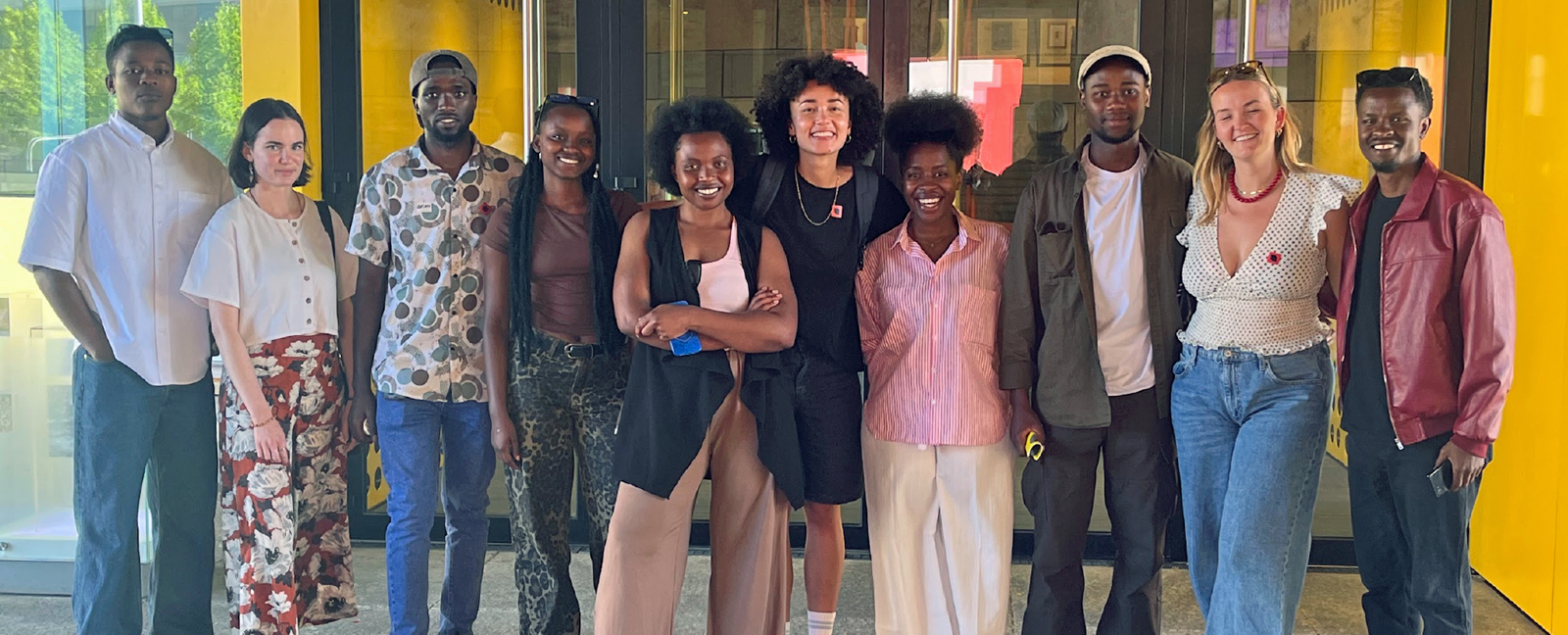
Stuttgart, June 12–14, 2026. On a sunny Saturday morning, the weltwärts South-North volunteers from Friends of Rwanda gathered for a joint seminar weekend. The participants are currently completing their volunteer service with the weltwärts program at German nursing and healthcare facilities. Therefore, the first day of the seminar was entirely devoted to health and healthcare.
Together, we exchanged views on the healthcare systems in Germany and Rwanda. The discussion focused not only on structures and organization but also on the people and social conditions that shape health. What role does family play when someone falls ill? How are older adults treated? What challenges do patients and healthcare professionals face?
It quickly became clear that both countries face very different yet comparable challenges. While in Germany, rapid response by emergency services and high medical standards are valued, issues such as loneliness among the elderly and staff shortages were discussed critically. For Rwanda, participants cited, among other things, the significant differences between urban and rural areas as well as between public and private institutions as challenges. At the same time, it became clear how strongly family networks there often take on responsibility for care and support.
The personal exchange of experiences from everyday work was particularly enriching. Since the speakers themselves work in the healthcare sector and some have already gained experience as volunteers in Rwanda, they were able to combine professional information with personal perspectives. In addition to views on human nature and cultural conceptions of health, we also explored the structure of the German healthcare system—from health insurance plans to outpatient and inpatient care, all the way through to rehabilitation.
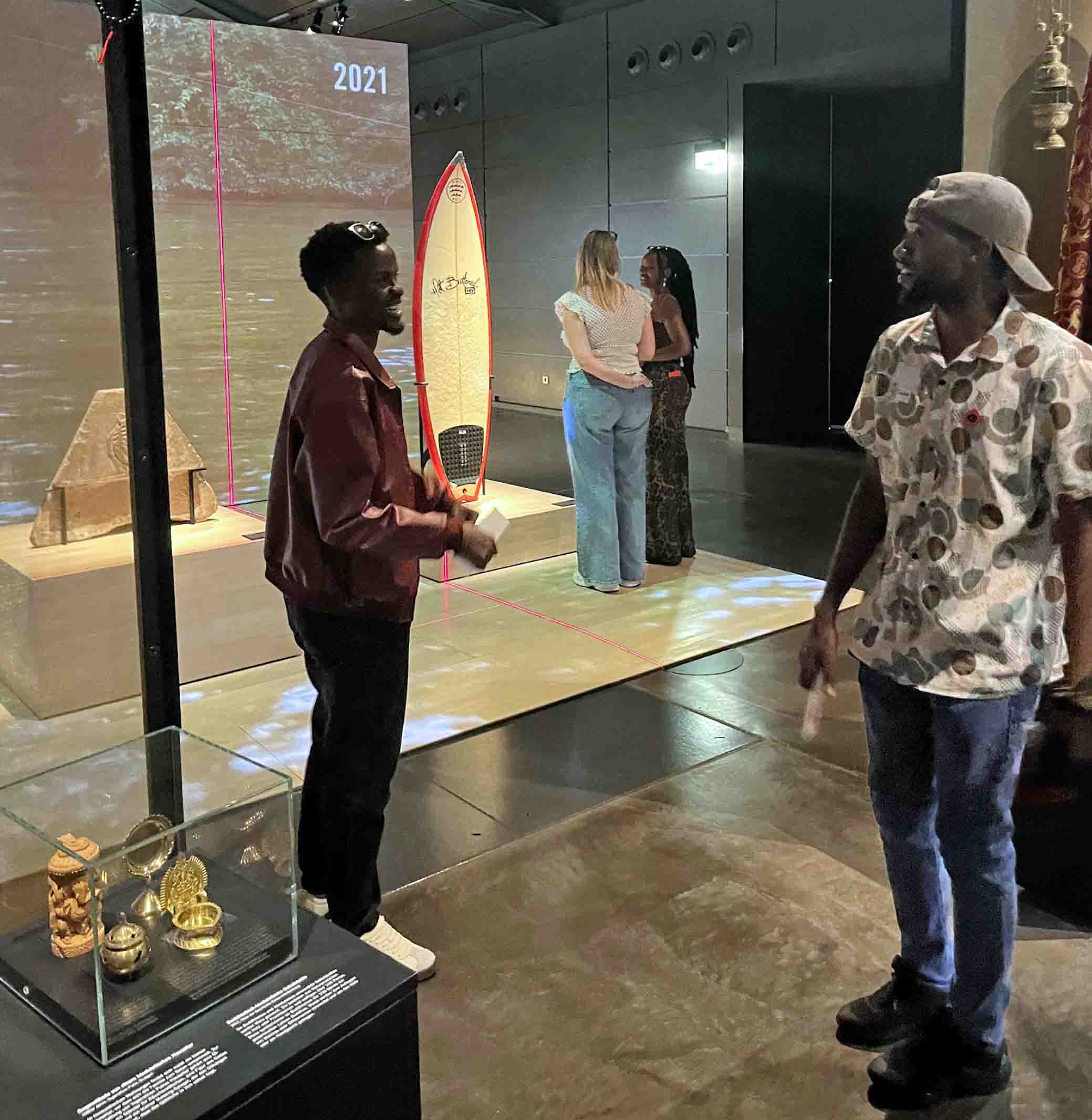
In the afternoon, we made our way to the House of History Baden-Württemberg. There, we explored the theme of freedom. In a workshop, we examined the question of what freedom means for each and every individual and how far people are willing to go to stand up for it. In the process, we learned more about the history of our cities, about freedom movements and freedom fighters in Baden-Württemberg, and about the importance of freedom of the press, freedom of expression, and freedom of religion. These historical perspectives sparked exciting discussions about the significance of freedom in today’s society.
After dinner, we wound down the day in a relaxed atmosphere. We laughed, shared stories, and took the opportunity to get to know one another better.
On Sunday, the focus was on personal and intercultural exchange. In an open and trusting atmosphere, we talked about relationships, friendship, love, and sexuality. How do people in different cultures talk about intimacy and connection? With whom do you share your personal feelings? Which values are similar, and which differ? And what is queer life like in Germany compared to Rwanda?
These topics are of great importance to young people—especially as they navigate a new society and cultural environment. The discussion revealed that while health, freedom, love, friendship, and emotions are experienced and understood differently in every culture, fundamental human experiences are often closer to one another than one might initially think.
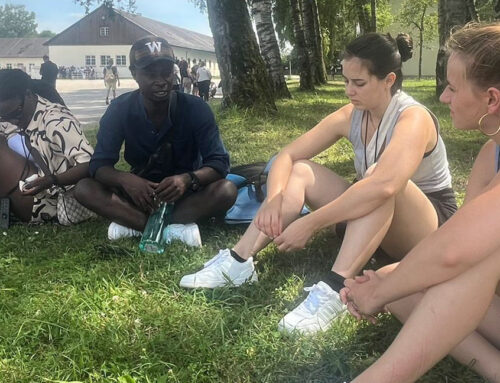
And so ended a weekend full of encounters, new perspectives, and exciting conversations. After all, what could be better than sitting together in the sun, learning from one another, and talking about the important things in life?
Translated with DeepL.com (free version)